Based on Material Compatibility and Process Chemistry in Flexible Endoscope Cleaning and Disinfection
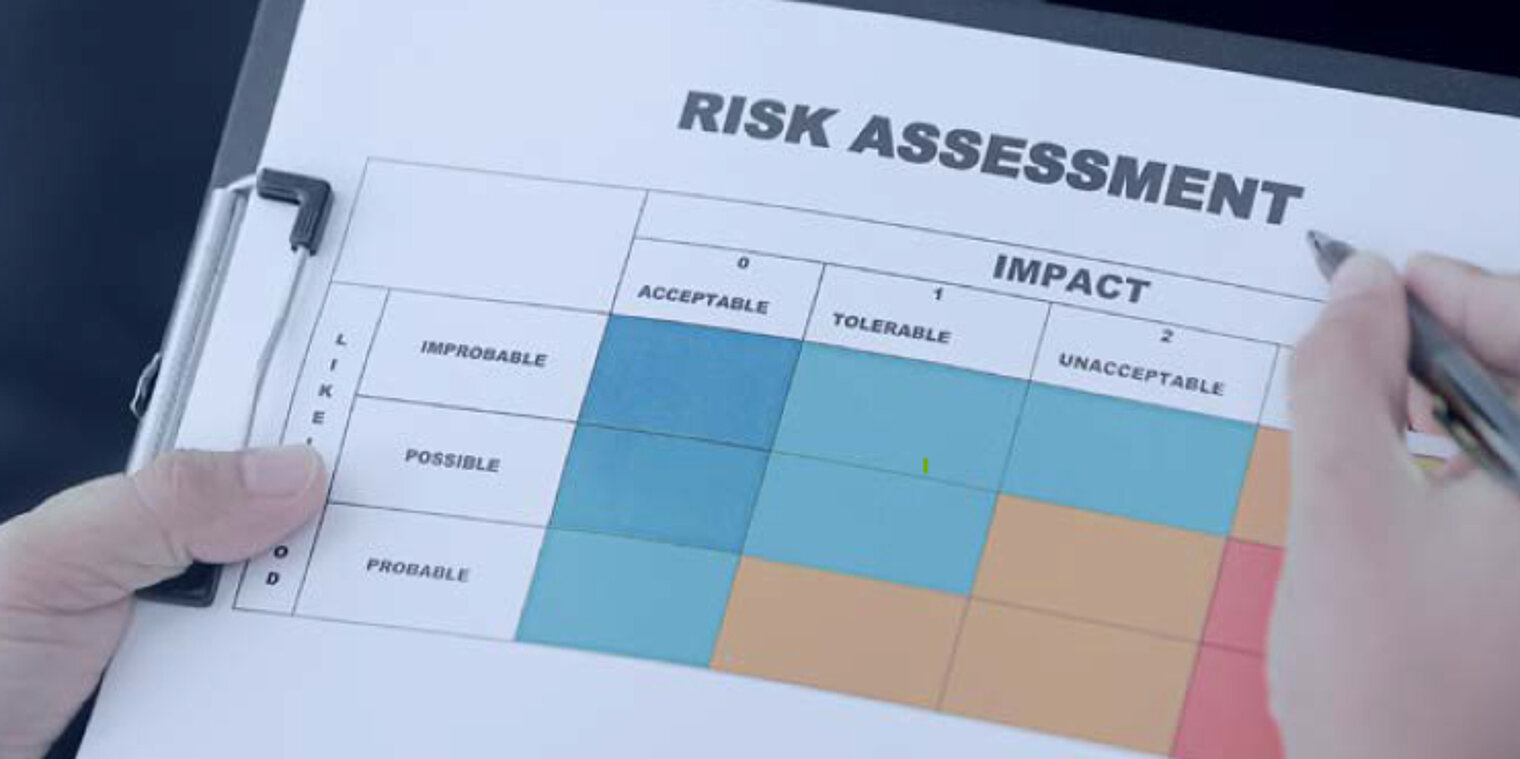
The current KRINKO/BfArM recommendation on reprocessing flexible endoscopes issued by the Robert Koch Institute (RKI) requires operators to conduct a risk assessment for various aspects of reprocessing for the first time. One of these requirements specifically addresses the materials used in and on endoscopes. This article provides background information and practical guidance for implementing these new requirements.
Manufacturers such as Chemische Fabrik Dr. Weigert are obliged to provide a binding Declaration of Conformity for each product. As an independent developer, manufacturer, and supplier of process chemicals for the reprocessing of modern flexible endoscopes, Dr. Weigert is well positioned to provide expert guidance on this topic.
The design and materials of an endoscope largely determine which reprocessing methods and process chemicals can be used. Modern endoscopes are constructed from various plastics, synthetic rubber, metals, alloys, and adhesive systems. Electronic components such as video chips, cables, and electronic control switches are also integrated into the device.
This mix of materials gives modern endoscopes their flexibility and versatility in clinical applications. However, it also creates certain limitations regarding temperature tolerance and chemical resistance.
Elevated temperatures, typically above 60°C, have an antimicrobial effect but, like aggressive chemicals such as acids or highly alkaline substances, are generally incompatible with many materials used in flexible endoscopes.
Operators should therefore consider both the reprocessing temperature and the process chemicals used, including their active substances, as part of the risk assessment. Information on these aspects should be available from the manufacturers of both the endoscope and the process chemicals.
In practice, endoscope and process chemical manufacturers may provide conflicting information on the material compatibility of specific active substances used for cleaning and disinfection. Greater weight should therefore be given to information provided by the manufacturers of process chemicals.
There are several reasons for this:
Ongoing market surveillance provides further evidence of consistent compatibility and efficacy in routine use.
Whenever a formulation is modified to meet changing market expectations or regulatory requirements, material compatibility is reassessed. This enables the manufacturers of process chemicals to provide up-to-date compatibility information.
By contrast, endoscope manufacturers are generally unable to evaluate every cleaning and disinfection product available worldwide. This challenge is further complicated by the different reprocessing methods used for flexible endoscopes. These range from manual and semi-automated procedures to fully automated reprocessing in an endoscope washer-disinfector (EWD).
Although endoscope manufacturers often provide compatibility information for specific products or active substances, this information may offer only limited practical value because it is not always up to date or may refer to products that are no longer available.
Reprocessing chemicals contain active and auxiliary substances, all of which may influence material compatibility.
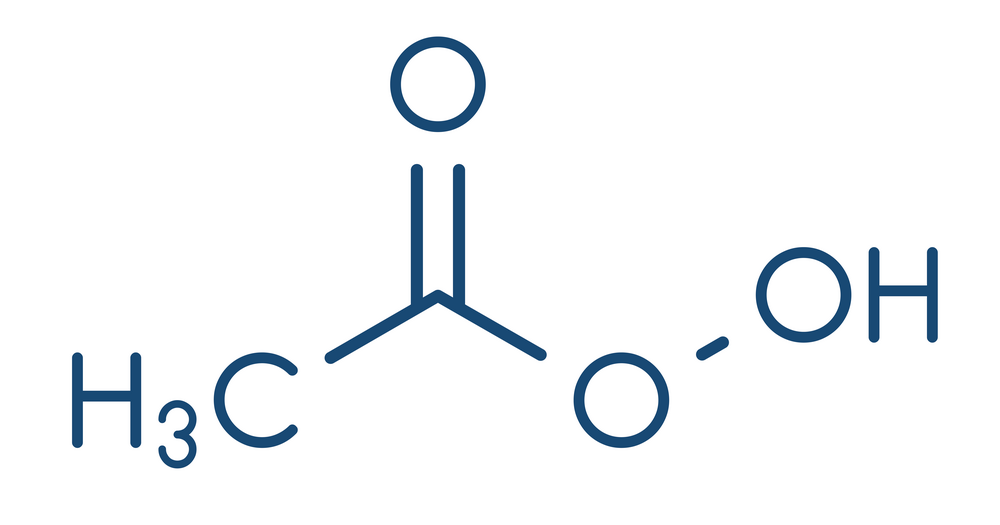
Let us consider peracetic acid (PAA) as an example.
Pure peracetic acid as an active substance is generally not compatible with the materials used in flexible endoscopes. However, through the addition of specific auxiliary substances, material compatibility can be achieved even when active oxidative agents (such as those found in peracetic acid formulations) are used.
This illustrates how combinations of active and auxiliary substances can ensure compatibility with sensitive endoscope materials. Only the process chemistry manufacturer has full knowledge of the formulation and the auxiliary substances that make the product suitable for its intended application.
The topics described in this article form the basis of a risk assessment. The key documents that should be reviewed include:
Potential interactions between individual active substances should always be considered in the risk assessment.
The list provides examples and is not exhaustive. Each endoscopy department should develop its own comprehensive list of relevant questions and evaluate them using a structured risk assessment process.
The editors of endoNEWS and I hope this article provides useful support in your daily practice.
If you have any questions, please contact us at info(at)drweigert.de.
Thomas Brümmer,
Consultant for Medical Endoscopy Marketing