Is it possible to combine hygiene safety and sustainability? This question is one that many healthcare facilities are grappling with. The answer lies in combining technology with the responsible use of resources. The aim is to use innovative developments to sustainably reduce the consumption of energy, water, and raw materials while ensuring the highest standards of hygiene. Dr. Weigert promotes sustainability through the continuous development of modern formulations for cleaning products.
The use of innovative process chemicals makes it possible to optimize many aspects of the standard procedures used in instrument reprocessing—without compromising hygiene and patient safety. Potential for resource savings in machine cleaning processes arises directly from reduced consumption of modern and powerful process chemicals, water, and energy, and indirectly from shorter program runtimes. In addition to eliminating individual program steps, such as neutralization, modern process chemicals allow, for example, the temperature in the cleaning stage to be reduced by up to 20°C from the 55°C previously used in many cases. The product can be dosed immediately after the water inlet at such low temperatures that protein coagulation is reliably prevented, thus extending the effective action time in the cleaning step.
This also reduces the holding time from 10 minutes to 5 minutes, which significantly lowers both the overall process time and the energy consumption per processed batch.
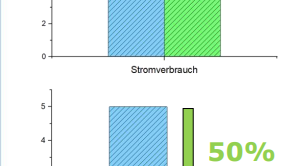
The innovative, highly concentrated formula of neodisher® MediClean advanced and an optimized program sequence in the RDG have achieved impressive results: Energy consumption and batch time have been reduced by up to 30% and water consumption by up to 20% compared to the standard process previously used.
What does this mean in practice? Even for a medium-sized AEMP with 4 RDGs in single-shift operation over 8 hours and an assumed capacity of 8,000 processing batches per year (250 working days), this results in significant savings potential. For such an AEMP, this means that by selecting a resource-saving program, approximately 16,000 kWh of energy, over 10 t of CO₂, 240 m³ of water, and 1,700 operating hours of the RDG could be saved. In addition to a significant increase in the capacity of the AEMP, this also results in annual cost savings of several thousand euros in energy and water. Furthermore, the small dosing quantities reduce both the transport and storage costs for the user and the consumption of resources in the manufacture, packaging, and transport of the process chemicals.
(The basic prerequisite for the design of such resource-saving processes is, of course, full compliance with the hygiene requirements resulting from the normative specifications and the regulatory guidelines applicable in the respective country.)
Sustainability and hygiene safety are not mutually exclusive. Practical trials have shown that it is entirely possible to meet these hygiene requirements with modern, resource-saving processes.
These optimizations have been successfully transferred to everyday clinical practice and validated procedures. With its innovative products, Dr. Weigert is making an important contribution to safe reprocessing and a sustainable future.